
Start with curiosity
Ancestry, architecture, food, and local life should answer something you genuinely want to understand.
START WITH YOUR INTERESTS
Culture should not feel like an add-on. We connect the people, places, and stories behind each experience, then fit it naturally into your route.
HOW WE CHOOSE EXPERIENCES
We begin with what interests you, then consider the place, timing, and travel party. Every experience remains subject to confirmation and local availability.
Ancestry, architecture, food, and local life should answer something you genuinely want to understand.
Go beyond photos to understand why a building, custom, or dish belongs to its place.
Adjust the pace for children, older travellers, and walking needs instead of filling every hour.
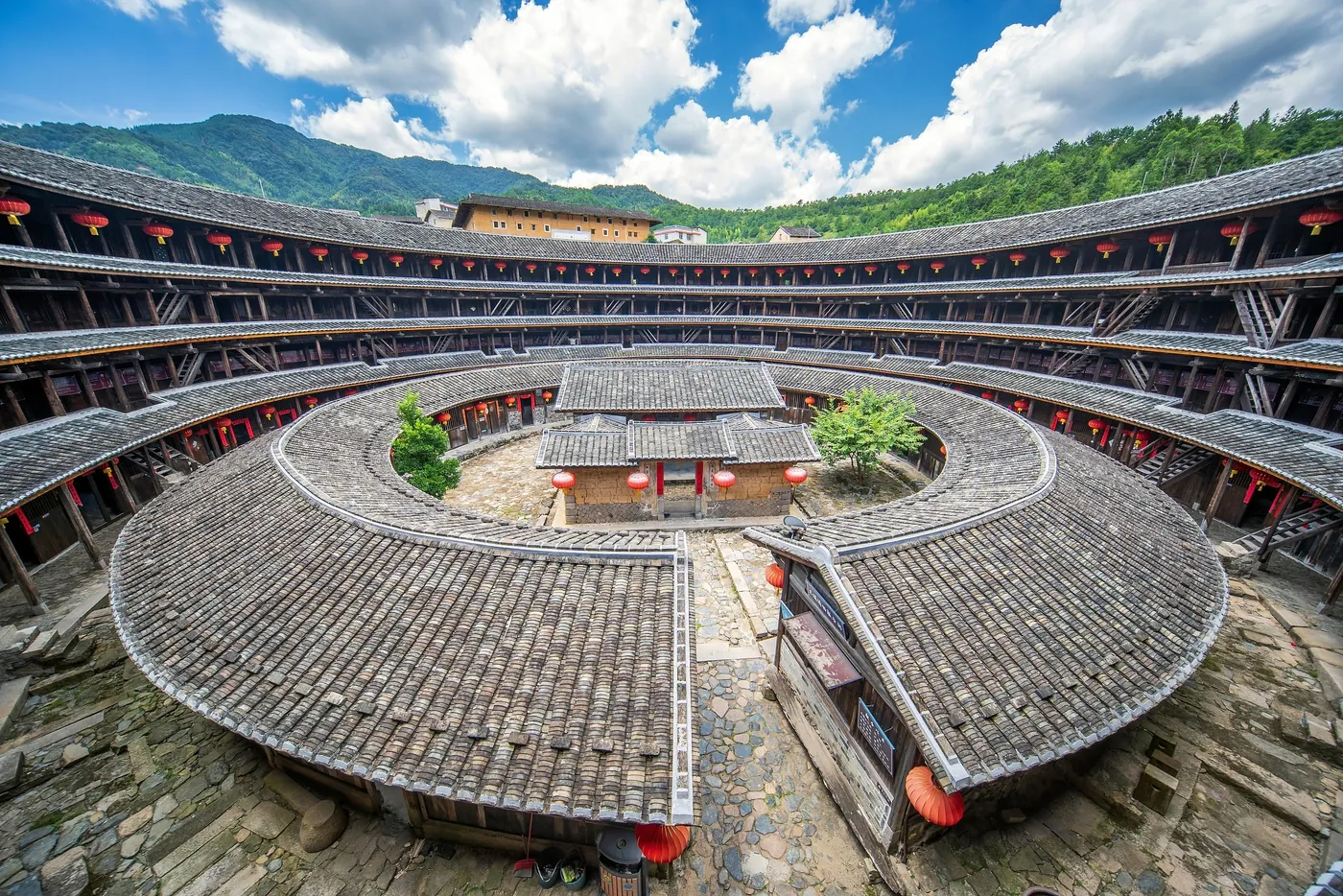
If you already know your ancestral town, former home address, or local family contacts, we can build a hometown visit naturally into the trip. Using the places and memories you share, the route may include the area around an ancestral home, a clan hall, an old street, a former village, or a family memorial site, together with nearby cultural stops. It can be a chance for older relatives to revisit familiar landscapes and for younger family members to understand where their story began. Visits are planned around the information available, transport, and local access.
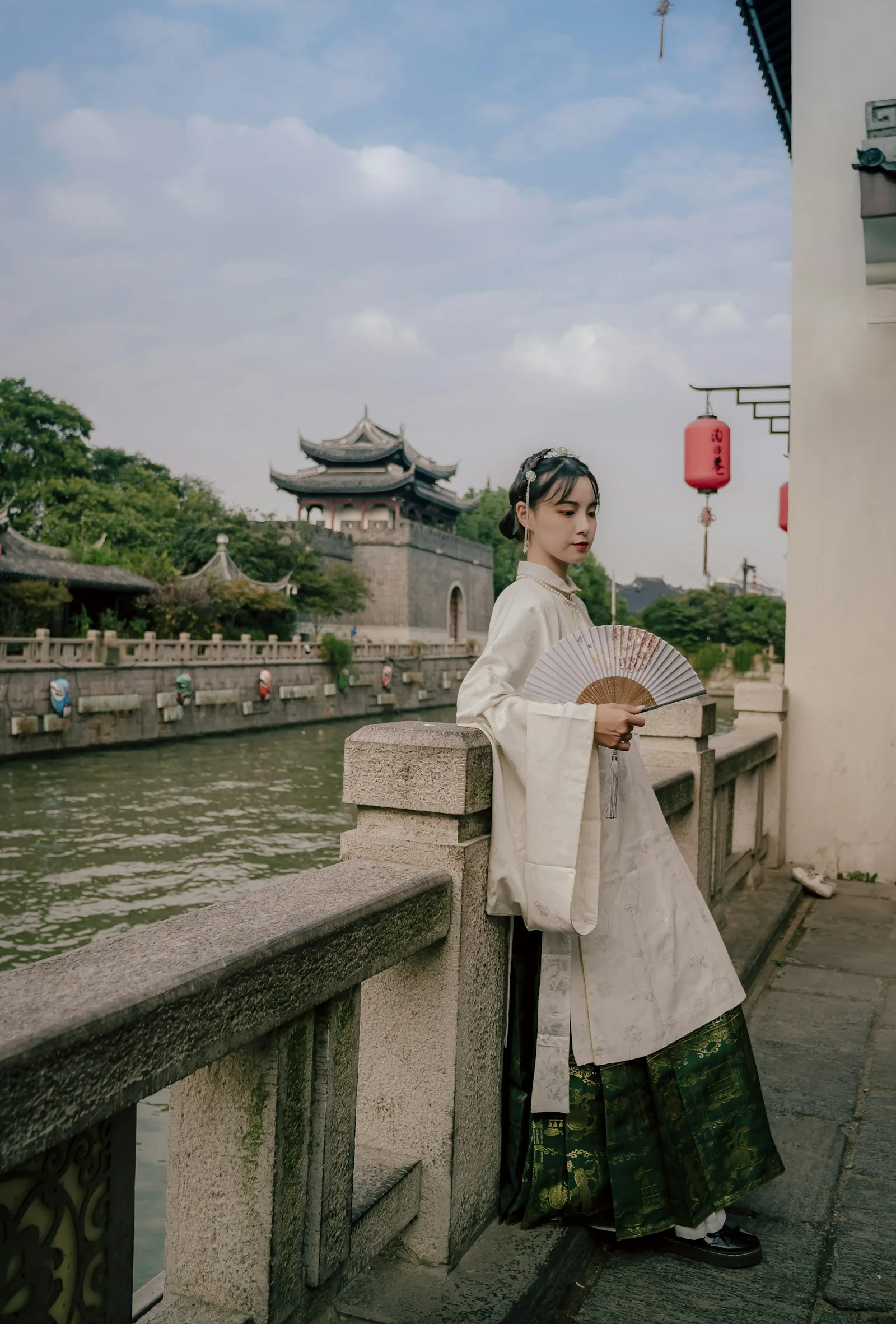
Dress experiences in Fujian extend beyond hanfu. Historical Chinese clothing, regional styling, and the She ethnic dress traditions of eastern Fujian each carry distinct histories and cultural meanings. We can match the subject with an old town, traditional village, coast, tea garden, or historic building. In Xiapu and nearby areas, She clothing, styling, craft interpretation, or photography may also be considered when suitable local resources are available. The aim is not to apply one costume everywhere, but to understand where a tradition comes from and let the person, setting, and story belong together.
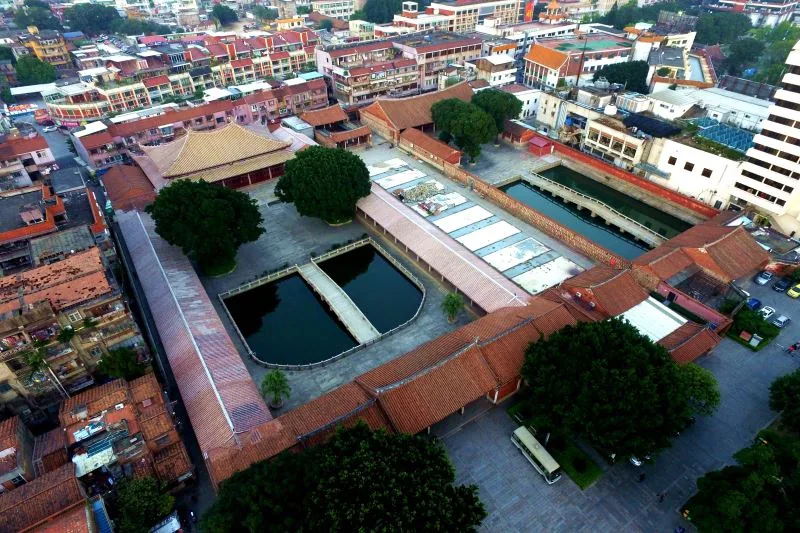
Fujian's spiritual landscape reaches far beyond a single temple. Buddhist monasteries, Mazu traditions, local deities, community shrines, Daoist sites, clan halls, and the diverse religious heritage of the Maritime Silk Road connect seafaring, neighborhood life, kinship, and regional history. Routes can extend from Xiamen, Quanzhou, and Zhangzhou to Meizhou in Putian, Fuzhou, Ningde, Longyan, and northern Fujian, with a focus on architecture, maritime belief, local stories, or ancestral customs. Each site is placed in its own time and community rather than treated as another stop on a checklist.
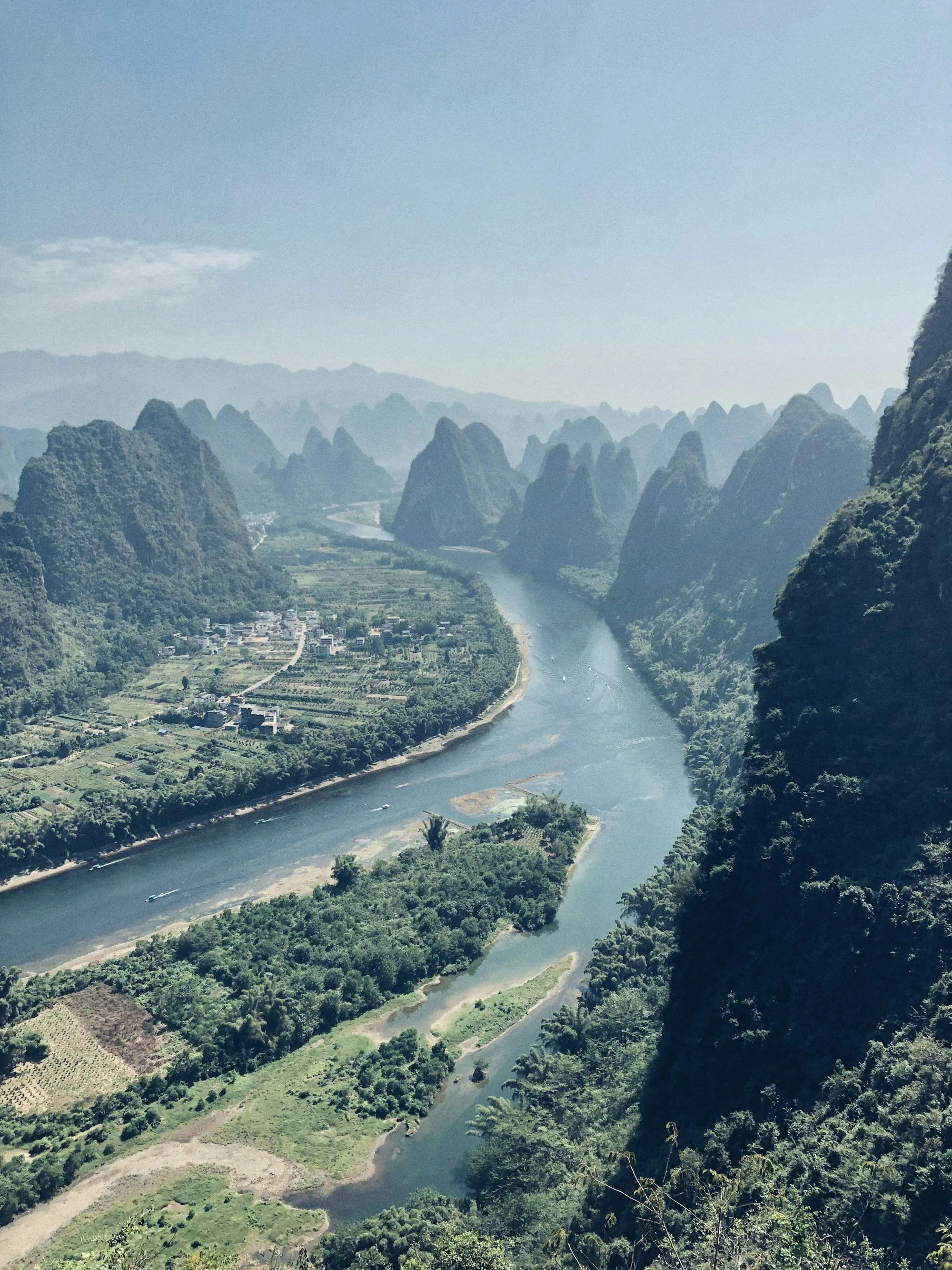
From red-brick homes in southern Fujian and Hakka settlements in the west to Fuzhou, Putian, eastern Fujian, and coastal hometowns of overseas Chinese, the province records many histories of migration, trade, departure, and return. Ancestral homes, clan halls, arcades, hybrid mansions, remittance letters, and old neighborhoods reveal how families stayed connected across the sea, supported relatives, founded schools, and rebuilt their hometowns. Visiting villages, markets, and communities shows both Fujian's regional differences and the shared importance of family and outward exchange.
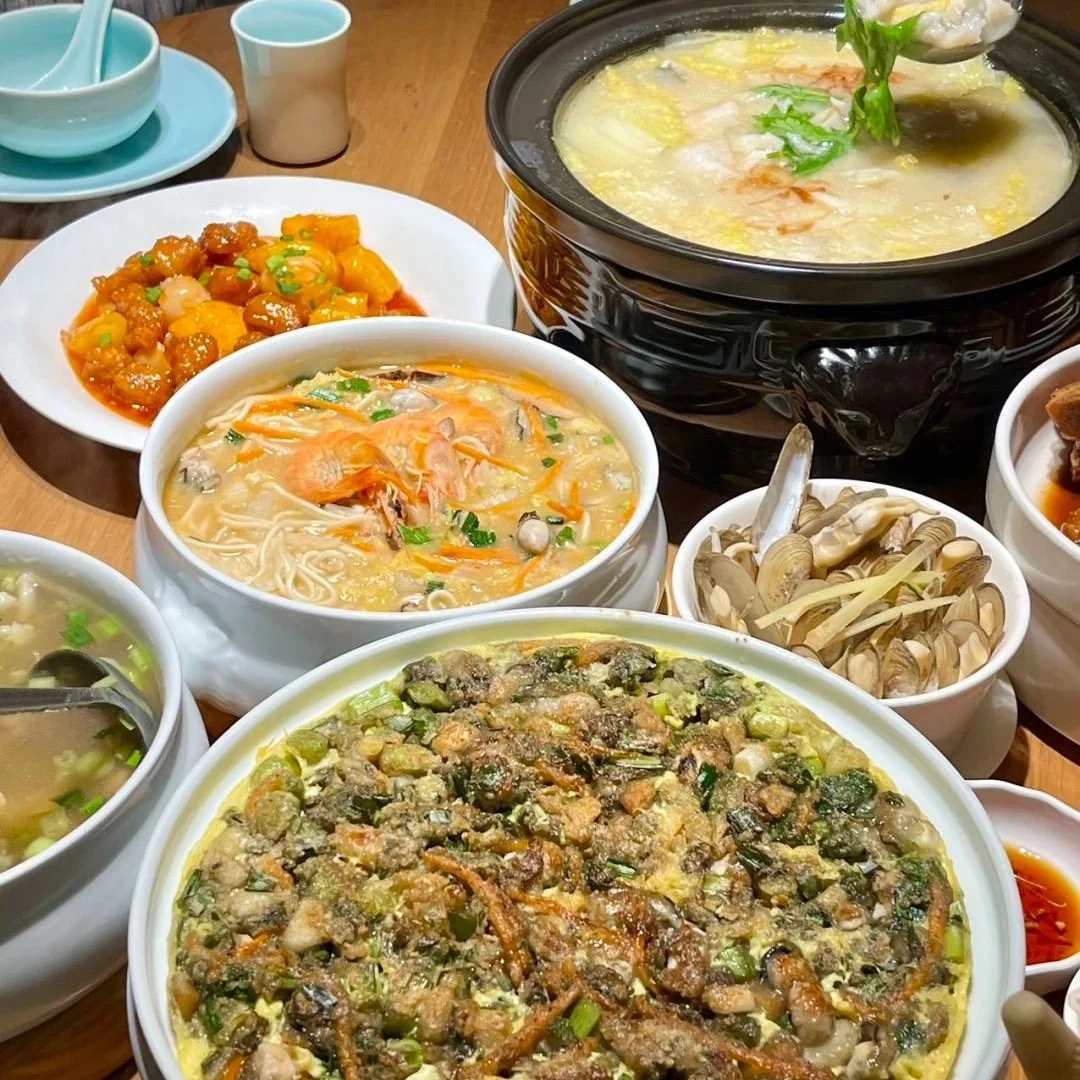
Fujian's food changes with its mountains, coast, and cities. Southern Fujian offers street and port-city favorites such as satay noodles, mianxianhu noodle soup, oyster omelet, ginger duck, five-spice rolls, and tusundong sea-worm aspic. Fuzhou soups and fish balls, Putian cooking, western Fujian Hakka dishes, northern mountain produce, and Wuyi tea reveal very different regional traditions. Meals are fitted into the day's route and local setting rather than treated as a viral-food checklist.
Share your group, dates, and interests. We will place the experience where it fits naturally.
Plan a custom trip